HOME • ASSISTED PUBLISHING • JOIN MAILING LIST
______________________________________
NEW FROM FEARLESS ASSISTED PUBLISHING:
The strategies that once protected you may now be keeping you stuck.
In this gripping memoir, Andrew W. Seefeld traces the hidden emotional architecture that shapes our lives long before we recognize it. Through an unflinching personal narrative, he examines how early wounds give rise to protective strategies — achievement, control, perfectionism, and emotional withdrawal — that help us survive and even succeed.
But what happens when the very strategies that once protected us begin to consume us?
From a near-fatal collapse to the slow work of rebuilding, Seefeld explores the descent into addiction not as a moral failure, but as one expression of a deeper attempt to regulate unbearable emotional pain. More than a story of recovery, this book becomes a testimony to reckoning, responsibility, and the courage to turn toward what we once tried to escape.
Ultimately, The Fire I Fed is a meditation on healing, connection, and the possibility of returning to ourselves.
_______________________
Published by The Staying Practice in collaboration with Fearless Literary
Paperback • ISBN 979-8-234-01271-5 • 200 pages • $18.95 • ebook $9.95






_________________________
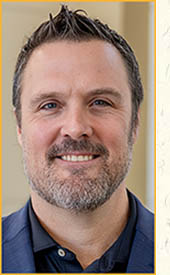
ANDREW W. SEEFELD, MD, FACEP, FASAM, is a board-certified emergency and addiction medicine physician. He serves as Medical Director of the Emergency Department at Speare Memorial Hospital, Associate Medical Director of the New Hampshire Professionals Health Program, and Clinical Assistant Professor of Emergency Medicine at the University of New England College of Osteopathic Medicine. He advocates compassionate approaches to healing that honor both body and mind.
____________________________________
I N T R O D U C T I O N
Why do people overwork, overachieve, overcommit, or disconnect? Why do some turn to substances, while others disappear into screens, routines, or relationships that don’t nourish them? On the surface, these behaviors look different. But beneath them lies a common thread: emotional pain.
To understand why we do what we do, we must look beneath the behavior and examine the emotional undercurrents that shape it. From the moment we’re born, our nervous systems absorb emotional signals long before we have words to make sense of them. These early experiences don’t just shape our thoughts; they settle into our bodies, influencing how we respond to stress, seek connection, and protect ourselves from pain.
When signals of love and safety are consistent, the brain learns to regulate, trust, and rest. But when love and safety are unpredictable, shaped by wounds like rejection, conditional love, or emotional absence, we adapt to survive. Those early wounds stir powerful emotions such as shame, fear, sadness, or anger. And when those emotions aren’t recognized or held, they don’t simply disappear. They settle into us, in the stories we repeat to ourselves and the tension we carry. They harden into beliefs like: I’m not enough. I don’t matter. I can’t trust anyone. They may also take root in the body, in the forms of chronic tightness, restlessness, or unexplained pain. The body remembers what the mind has tried to forget.
Because those early emotional environments are all we know, we may later mistake their familiarity for safety. And we will begin to interpret present circumstances through the familiar lens of our past, returning again and again to the same emotional terrain, even when it hurts.
To manage the chronic discomfort that follows, we develop strategies. We strive, perform, please, or withdraw. These adaptations help us feel safer, more in control of how we’re seen, and how close others can get. But over time, what once protected us begins to confine us, leaving us anxious, ashamed, disconnected — or unable to feel much at all.
Eventually, the discomfort grows too loud to ignore. That’s when we reach for relief. Sometimes it’s subtle: scrolling, over-exerting, staying busy. Other times it’s more obvious: drinking, using, acting out. Whatever form it takes, escape offers a temporary sense of calm, predictability, or distance from the ache underneath.
At first, it works. But slowly, almost imperceptibly, that relief takes on a life of its own. What once felt like a choice begins to narrow. The harder we try to escape the pain, the further we drift from ourselves and from those we love. What soothed us starts to trap us.
Escape was how it looked from the outside. What I didn’t yet understand was that beneath it, I had learned to leave myself whenever staying didn’t feel safe. I understand it differently now. Addiction is not a moral failing or a lack of willpower. It is a survival response to emotional pain that was never fully acknowledged or tended to, an attempt to quiet what was never fully heard.
I didn’t set out to destroy anything. I wasn’t trying to burn down my life, I was trying to survive it. The fire started subtly, a flicker of anxiety, the growing heat of shame, the slow burn of never feeling that I was ‘enough.’ Long before I ever picked up a substance, I was already feeding a fire I didn’t understand.
This book isn’t just about addiction. It’s about what came before: the pain I carried, the patterns I clung to, and the truths I couldn’t face. It’s about what I discovered when everything finally burned down. And most of all, it’s about what rose from the ashes: a gradual return to the part of me that was always capable of connection, long before I learned to disconnect in order to cope.
Today, healing doesn’t show up as having it all figured out. It shows up in quieter ways: staying present with my daughter, listening without needing to fix, noticing the urge to perform and choosing honesty instead, learning when to say no, and no longer needing to escape myself.
I wrote this book to share what I’ve learned — not as an expert looking in from the outside, but as someone who has walked through the fire, lived the chaos, and now sits with others as they find their way too. If you see yourself anywhere in these pages, whether your escape has been subtle or severe, I hope this story helps you feel less alone, more understood, and gently reminded that healing does not begin by fixing who you are, but by learning to remain present with what you feel rather than escaping it.