PO BOX 3354 • NAPA CA 94558
info@fearlessbooks.com • 510 684-9531 • stay in touch
______________________________________________________
Recently an author wrote to inquire about independent publishing, revealing that his online research led him to be "flooded by thousands of companies offering the world, a few planets and a moon — as well as a New York Times bestseller."
Here at Fearless Assisted Publishing, I offer no astronomical benefits. With experience as a 12-book author, independent publisher, and literary agent, I'm well aware that bookselling is a tough business. But I also know that writing is soul work, and for most authors, a first book is a life-changing enterprise. That's why I provide a highly customized, top-quality publishing service that respects an author's work and gives it a professional launch (and lets the author keep all royalties).
For more information, including AP titles and endorsements, see the Assisted Publishing page.
______________________________________________________
The Fearless Books site went online in 1998, so I feel like an Internet old-timer. After having books published by two major New York houses in the mid-90s, I decided that I could do a better job with future books independently. I've published more than a dozen titles in print since, including Gary Renard’s Disappearance of the Universe (now a worldwide best-seller from Hay House).
In 2015, I began shifting my company's emphasis from publishing under the Fearless imprint to professional representation, editorial consultations, and independent publishing assistance, a collection of services I call Fearless Literary. One of my specialties is the care, nurturing, and production of personal histories, usually called memoirs. I've helped many independent writers plan, edit, and launch their own stories in both print and digital media on a worldwide basis. To find out more and get a free e-book about starting your memoir, click here.
Please check out my personal author website as well. There you'll find books of my own under the Fearless imprint, as well as several more from other publishers. There are also online essays and interviews there. If you’d like to be advised by e-mail of all changes to both sites, join the Fearless News mailing list.
I’m the webmaster around here so if you have questions or comments about the site, feel free to write.
D. Patrick Miller, Founder
Fearless Books & Literary Services
____________________________The services of Fearless Literary include:
_______________________________
Published under the Fearless Books Imprint
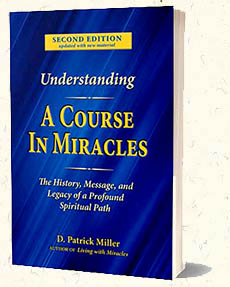
UNDERSTANDING A COURSE IN MIRACLES
The History, Message, and Legacy of a Profound Spiritual Path
by D. Patrick MIllerINSTRUCTIONS OF THE SPIRIT: 50 Poems & Intimations by D. Patrick Miller
LOVE AFTER LIFE: a parable of parallel realities — a novel by D. Patrick MIller
Digital Classics


CHOOSE YOUR PUBLISHING OPTION: The Fearless Guide to An Author's Alternatives provides concise and useful information on how to get an agent, get published in the mainstream or outside it, how to self-publish, and more. FREE. • WHO ARE YOU? Understanding Your Personality with the Enneagram ($3.95) • HOW TO WRITE A GOOD POEM: Three Essential Elements. FREE.