PO BOX 3354 • NAPA CA 94558
info@fearlessbooks.com • 510 684-9531 • stay in touch
______________________________________________________
Announcing a major new book
in progress about A Course
in Miracles by journalist,
publisher, and veteran
student D. Patrick Miller.
Take part in this historic project here.
______________________________________________________
The Fearless Books site went online in 1998, so I feel like an Internet old-timer. After having books published by two major New York houses in the mid-90s, I decided that I could do a better job with future books independently. I've published more than a dozen titles in print since, including Gary Renard’s Disappearance of the Universe (now a worldwide best-seller from Hay House).
In 2015, I began shifting my company's emphasis from publishing under the Fearless imprint to professional representation, editorial consultations, and independent publishing assistance, a collection of services I call Fearless Literary. One of my specialties is the care, nurturing, and production of personal histories, usually called memoirs. I've helped many independent writers plan, edit, and launch their own stories in both print and digital media on a worldwide basis. To find out more and get a free e-book about starting your memoir, click here.
Please check out my personal author website as well. There you'll find books of my own under the Fearless imprint, as well as several more from other publishers. There are also online essays and interviews there. If you’d like to be advised by e-mail of all changes to both sites, join the Fearless News mailing list.
I’m the webmaster around here so if you have questions or comments about the site, feel free to write.
D. Patrick Miller, Founder
Fearless Books & Literary Services
____________________________The services of Fearless Literary include:
_______________________________
Published under the Fearless Books Imprint
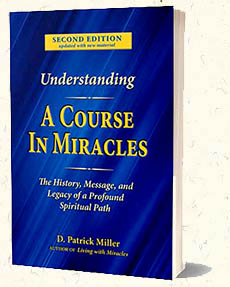
UNDERSTANDING A COURSE IN MIRACLES
The History, Message, and Legacy of a Profound Spiritual Path
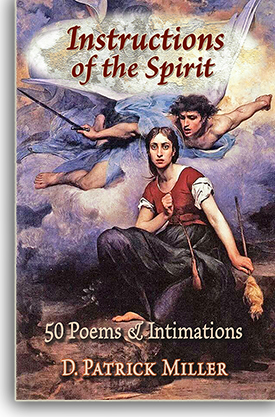
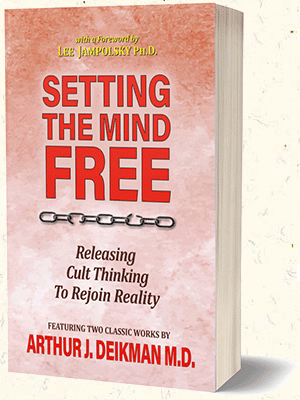
by D. Patrick MIllerINSTRUCTIONS OF THE SPIRIT: 50 Poems & Intimations by D. Patrick Miller • LOVE AFTER LIFE: a parable of parallel realities — a novel by D. Patrick MIller • SETTING THE MIND FREE: Releasing Cult Thinking to Rejoin Reality • This composite volume of two classic works by pioneering psychiatrist Arthur J. Deikman MD comprises THE WRONG WAY HOME, a study of cult psychology in small groups as well as large social institutions, and PERSONAL FREEDOM, addressing the psychological and mystical aspects of a truly independent mind.
SEE ALL FEARLESS BOOKS PRINT TITLES HERE
Digital Classics
My e-books are available in all digital formats (including Kindle) from Smashwords. A number of them are free. Click on the covers or title descriptions to access.


CHOOSE YOUR PUBLISHING OPTION: The Fearless Guide to An Author's Alternatives provides concise and useful information on how to get an agent, get published in the mainstream or outside it, how to self-publish, and more. FREE. • WHO ARE YOU? Understanding Your Personality with the Enneagram • HOW TO WRITE A GOOD POEM: Three Essential Elements. FREE.
Titles Published in Collaboration with Fearless Literary...
SECRETS OF THE BLUE BUNGALOW: More True Tales of Family Life from the Outer, Outer, Outer, Outer Excelsior — The second collection of weekly columns by San Francisco Chronicle columnist Kevin Fisher-Paulson, featuring 75 of his "greatest hits" from the years 2019-2020. HOW WE KEEP SPINNING...! the journey of a family in stories — In this collection of 65 weekly columns from the San Francisco Chronicle, Kevin Fisher-Paulson tells the true stories of a cop and a dancer along the journey of raising two challenging boys on the mysterious edge of San Francisco. A SONG FOR LOST ANGELS: How Daddy and Papa Fought to Save Their Family — San Francisco author Kevin Fisher-Paulson tells the poignant history of a family of two men plus triplets that came together suddenly one day, and thrived for a year before being torn apart by groundless prejudice. The original edition published by Fearless Books was a triple finalist in two independent publishing contests before the Second Edition was converted to the author's own imprint, Two Penny Press.
For many more titles published independently with the assistance of Fearless Literary, see Assisted Publishing.